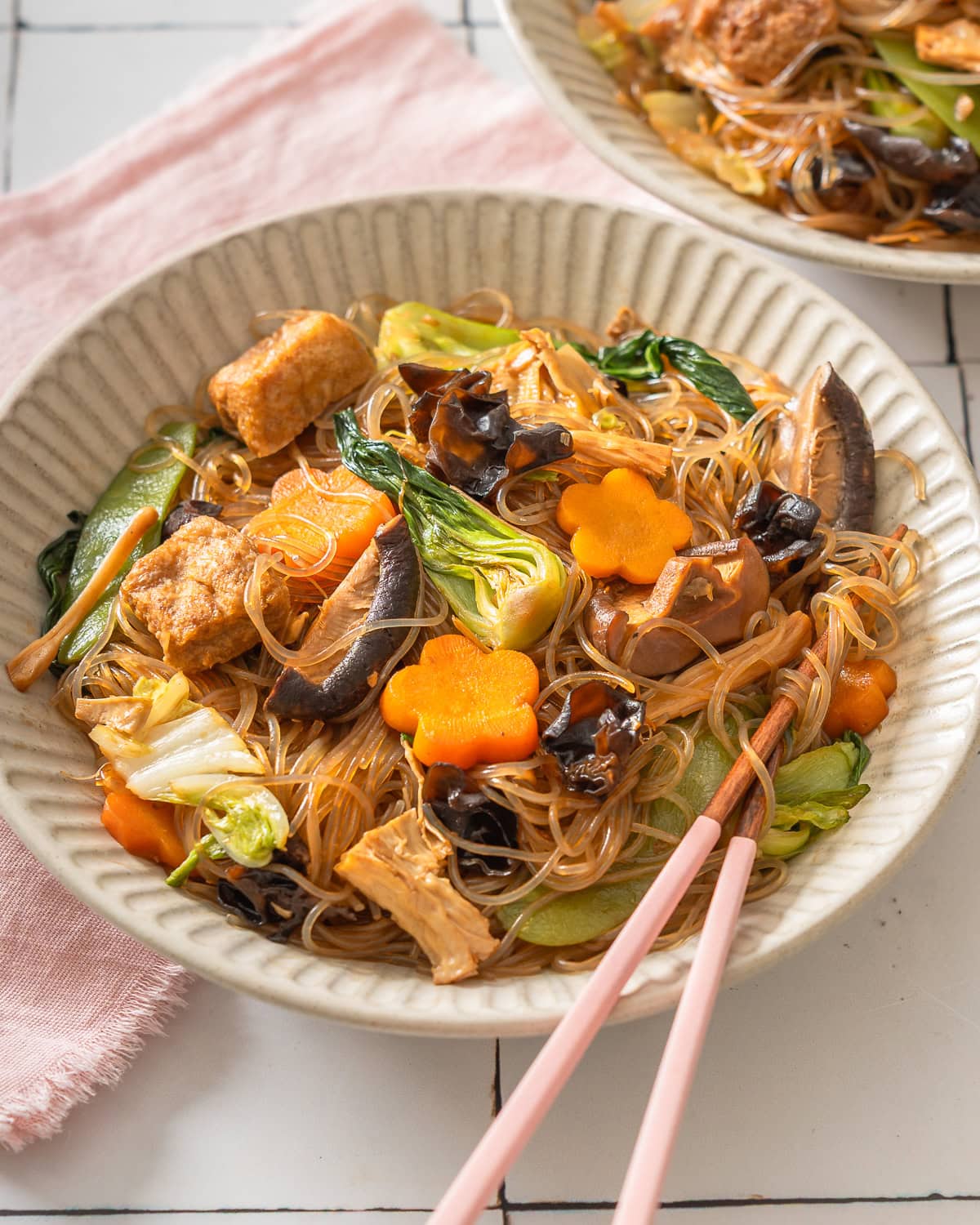
Crafting Lo Hon Jai: A Celebratory Dish of Flavors and Textures
When you envision a vegetarian stir-fry, the usual suspects often spring to mind: a familiar medley of broccoli, carrots, bell peppers, and tofu. While undeniably delicious, especially when perfectly executed like Kenji's renowned vegan crispy tofu with broccoli, the world of meat-free stir-fries extends far beyond these common staples. Enter Buddha's Delight, or Lo Hon Jai in Cantonese – a magnificent, celebratory dish that truly brings a diverse array of unique ingredients to the forefront, creating a symphony of flavors and, more importantly, an incredible range of textures.
This esteemed dish holds a special place in Chinese culinary traditions, particularly during significant holidays such as Lunar New Year and Tomb Sweeping Day (Ching Ming). It's more than just a meal; it's a culinary experience steeped in cultural meaning, often served on the first day of Lunar New Year to offer a light, fresh, and symbolic start to the year, cleansing the palate after the previous night's abundant feasting. What truly elevates Buddha's Delight ingredients beyond a typical stir-fry is its deliberate inclusion of components specifically chosen for their individual textural contributions, transforming each bite into an adventure.
The Culinary Canvas: A Symphony of Diverse Ingredients
One of the most captivating aspects of buddhas delight is its inherent flexibility. There isn't a single, rigid recipe, but rather a spectrum of possibilities, allowing for variations in ingredients and seasonings across different kitchens and regions. However, what remains consistent is the pursuit of variety – not just in vegetables, but crucially, in an exciting assortment of components derived from soybean and wheat gluten. A truly exceptional Buddha's Delight goes beyond basic greens, offering a thoughtful combination of textures that delight the palate.
While fresh vegetables like crisp carrots, vibrant broccoli, and earthy fresh mushrooms certainly have their place, the real magic happens when you introduce the specialty ingredients found in your local Asian supermarket. Most traditional renditions will feature at least four or five of these unique elements, each playing a vital role in building the dish's signature complexity.
Essential Textural Components for an Authentic Lo Hon Jai
To truly appreciate the depth of buddhas delight, understanding its key ingredients is paramount. These aren't just fillers; they are carefully selected elements that contribute distinct textures and subtle flavors:
- Bean Curd Sticks (Dried Yuba): These fascinating strands are made from the skin that forms on hot skim milk, much like a skin on cow's milk. Once rehydrated, they boast a pleasantly mild flavor and a delightful, slightly chewy bite that absorbs the sauce beautifully.
- Tofu Puffs: Often found cubed and deep-fried, tofu puffs undergo a transformative process. The deep-frying renders them chewy and slightly crisp on the outside, while the inside becomes incredibly light, airy, and sponge-like, making them excellent vehicles for the rich sauce.
- Chai Pow Yu (Chinese Braised Gluten / Vegetarian Mock Abalone): This is a superstar ingredient for many vegetarian Chinese dishes. Wheat gluten is initially fried for texture, then slowly braised in a savory vegetarian sauce. Typically sold in cans, it offers a robust, umami-rich flavor and a wonderfully chewy, absorbent texture, making it one of the most satisfying "meat" substitutes.
- Bean Thread Noodles (Glass Noodles): Made from mung bean starch, these translucent noodles are a must-have. When cooked, they become almost invisible, adding a silky, slippery texture that contrasts beautifully with the chewier ingredients. They're incredibly versatile and a staple in many stir-fries and clay pot dishes.
Beyond these foundational elements, a truly authentic buddhas delight often includes ingredients chosen for their symbolic meanings, especially during Lunar New Year. Chinese cabbage (bái cài) symbolizes prosperity and wealth due to its name sounding like "hundred wealth." Other common additions include earthy lotus root, crisp snow peas or snap peas, and the auspicious black moss (fa cai), which signifies wealth due. Fermented bean curd, while not for every palate, can also be added for an intense salty, umami kick, deepening the overall flavor profile.
The Soul of the Dish: Crafting the Perfect Mushroom-Infused Sauce
Once you've assembled your diverse array of ingredients, the next crucial step in preparing buddhas delight is creating the perfect sauce. This isn't just a coating; it's the unifying force that binds all the distinct flavors and textures into a harmonious whole.
For convenience, many home cooks, like the referenced family recipe, turn to high-quality pre-made sauces. A vegetarian stir-fry sauce, such as Lee Kum Kee's, is a popular choice. These sauces are often formulated to mimic the rich, umami depth and texture of oyster sauce, but entirely meat-free, making them an excellent pantry staple for frequent vegetarian cooks.
However, for those who prefer to craft their sauce from scratch, the secret often lies in the humble dried shiitake mushroom. Rehydrating dried shiitake mushrooms yields a wonderfully aromatic, earthy liquid – a potent base for your sauce. This mushroom broth can then be enhanced with:
- Soy Sauce: For foundational savory notes.
- Dark Soy Sauce: To add depth of color and a subtle sweetness.
- Sesame Oil: For its distinctive nutty aroma and flavor.
- Sugar: To balance the savory elements and add a touch of sweetness.
- Cornstarch Slurry: To thicken the sauce to that desirable glossy, clingy consistency.
- Shaoxing Wine (optional): For an extra layer of complexity and aroma.
When building your homemade sauce, remember to taste and adjust. The goal is a balanced flavor profile – savory, slightly sweet, deeply umami, with a subtle mushroom essence that complements rather than overpowers the other ingredients. This meticulous attention to the sauce is what truly elevates homemade Buddha's Delight to a culinary masterpiece.
Tips for Mastering Your Lo Hon Jai
Creating a truly remarkable buddhas delight is a rewarding experience. Here are some actionable tips to help you:
- Ingredient Sourcing: Venture to your local Asian supermarket. This is where you'll find the freshest and most authentic specialty ingredients like bean curd sticks, tofu puffs, and Chai Pow Yu. Don't be afraid to ask store staff for guidance if you're unfamiliar.
- Preparation is Key: Many ingredients require pre-soaking (dried mushrooms, bean curd sticks, bean thread noodles) or pre-frying (some tofu preparations). Plan ahead to ensure everything is ready for the wok.
- Cook in Stages: Different ingredients have different cooking times. Stir-fry your harder vegetables first, then add the quicker-cooking ones, followed by the pre-cooked or rehydrated specialty items. This ensures everything is perfectly cooked without becoming mushy.
- Don't Overcrowd the Wok: To achieve a proper stir-fry, cook in batches if necessary. Overcrowding will steam the vegetables instead of stir-frying them, leading to a less vibrant texture.
- Balance Flavors and Textures: As you assemble your dish, keep variety in mind. Aim for a mix of soft, crunchy, chewy, and silky elements. Ensure your sauce is well-balanced – not too salty, not too sweet, but rich and umami-packed.
- Personalize It: While there are customary ingredients, feel free to adapt the dish to your preferences and what's available. If you love a particular mushroom or vegetable, incorporate it! The beauty of Buddha's Delight lies in its adaptability.
Conclusion
Buddhas delight, or Lo Hon Jai, is far more than just a vegetarian stir-fry. It's a culturally rich, deeply flavorful, and texturally diverse celebration of plant-based cuisine. From the chewy satisfaction of braised gluten and bean curd sticks to the delicate slipperiness of glass noodles and the symbolic crunch of fresh vegetables, every component plays a role in its captivating appeal. Whether you opt for the convenience of a pre-made sauce or embark on the rewarding journey of crafting your own mushroom-infused elixir, preparing this dish offers a wonderful opportunity to explore new ingredients, honor tradition, and create a truly memorable meal. Dive into the world of Lo Hon Jai and discover why this ancient vegetarian feast continues to captivate palates across generations.
