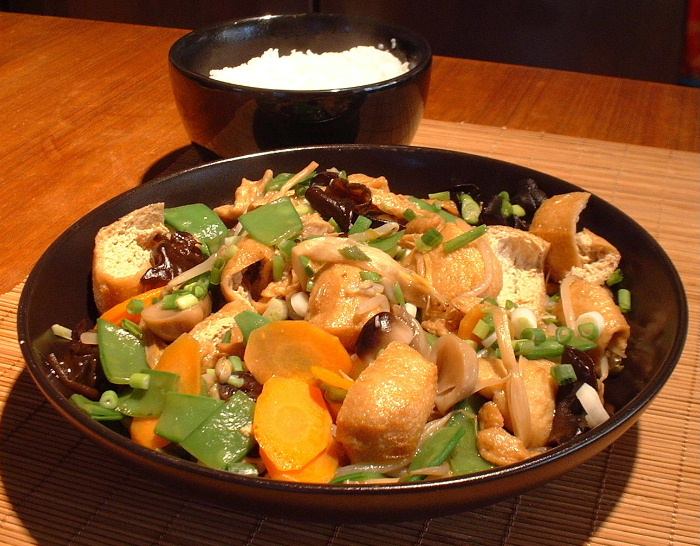
Buddha's Delight: The Symbolic Vegetarian Feast for Lunar New Year
As the Lunar New Year dawns, families around the world gather to usher in a fresh start, marked by traditions, togetherness, and, most importantly, food. While many celebratory tables groan under the weight of elaborate meat and seafood dishes, one humble yet profoundly symbolic offering often takes center stage, particularly on the first day: Buddha's Delight. Known in Cantonese as Lo Hon Jai, this vibrant vegetarian stir-fry is far more than just a collection of vegetables; it's a dish imbued with meaning, a symphony of textures, and a beacon of good fortune for the year ahead.
Unlike typical weeknight stir-fries that often stick to familiar characters like broccoli and tofu, Buddha's Delight embarks on a culinary adventure, inviting a diverse cast of ingredients to the wok. Its unique appeal lies in the deliberate combination of flavors, aromas, and an extraordinary range of textures—from tender to chewy, crunchy to slippery—all harmonizing under a rich, savory sauce. It’s this meticulous curation that elevates Buddha's Delight from a simple meal to a celebratory feast, revered not only during Lunar New Year but also other significant Chinese holidays like Tomb Sweeping Day.
A Medley of Meaning and Marvelous Textures
The beauty of Buddha's Delight lies in its magnificent flexibility. There's no single, definitive recipe; rather, it's a culinary philosophy that encourages creativity and the thoughtful inclusion of ingredients, each contributing its own character to the collective whole. While variations abound, a common thread is the emphasis on both fresh vegetables and a fascinating array of components derived from soybeans and wheat gluten. This approach ensures a delightful interplay that keeps every bite exciting.
- Soy-Based Wonders: Leading the charge in the textural department are ingredients like bean curd sticks (made from dried yuba, the skin that forms on hot soy milk). These absorb flavors beautifully and offer a pleasantly chewy bite. Tofu puffs, deep-fried cubes of tofu, transform into light, airy sponges, perfect for soaking up the rich sauce while retaining a delightful chewiness on the outside. Another popular addition is fermented bean curd, providing a salty, umami depth that elevates the entire dish.
- Wheat Gluten Goliaths: For those seeking a meatier texture without the meat, chai pow yu (also known as Chinese braised gluten or vegetarian mock abalone) is a revelation. This wheat gluten is fried and then slowly braised, resulting in a savory, flavorful, and incredibly chewy component that stands out. It's often found canned in Asian supermarkets and is a favorite for its satisfying mouthfeel.
- The Garden's Bounty: Beyond these unique protein alternatives, a cornucopia of fresh vegetables adds color, crunch, and freshness. Expect to find vibrant carrots, crisp snow peas or snap peas, earthy lotus root, and various fresh mushrooms. These not only contribute vital nutrients but also a crucial freshness that balances the richer, more absorbent ingredients.
- The Textural Anchors: No Buddha's Delight would be complete without bean thread noodles. Made from mung bean starch, these delicate noodles become beautifully translucent when cooked, offering a slippery, absorbing quality that weaves all the flavors together. They are essential for binding the dish and adding another unique textural dimension. For a deeper dive into these fascinating components, explore Beyond Tofu & Broccoli: Discover Buddha's Delight Ingredients.
Symbolism on a Plate: A Fresh Start for the New Year
The significance of eating a vegetarian meal, especially Buddha's Delight, on the first day of Lunar New Year runs deep. After the indulgence of New Year's Eve feasts, it's a tradition in many Chinese families to consume a lighter, purer, and often vegetarian meal as a symbolic cleansing—a fresh start for the new year. It's believed to purify the body and soul, inviting good luck and prosperity.
Furthermore, many ingredients within Buddha's Delight carry their own auspicious meanings, transforming the dish into a powerful culinary blessing:
- Chinese Cabbage (白菜, bái cài): A cornerstone of the dish, its name sounds similar to "hundred wealth," symbolizing prosperity and good fortune.
- Black Moss (髮菜, fà cài): Often included for its soft, noodle-like texture, its name is a homophone for "getting rich" or "prosperity."
- Lotus Root: Represents abundance and an unhindered path, as its holes symbolize an open heart and mind.
- Mushrooms: Symbolize longevity and good health.
- Carrots: Their vibrant orange color is associated with good luck and happiness.
- Bean Curd & Tofu: Represent blessings and happiness.
By partaking in this dish, families are not just enjoying a delicious meal but actively engaging in a cultural ritual that reinforces hopes and wishes for the year to come.
Crafting Your Own Buddha's Delight: Tips for a Masterpiece
While the list of potential ingredients for Buddha's Delight can seem extensive, preparing it is a joyful and adaptable process. The key is to embrace the flexibility and build layers of flavor and texture.
The Sauce is Paramount: A fantastic sauce ties everything together. Many home cooks opt for ready-made vegetarian stir-fry sauces, such as Lee Kum Kee's vegetarian oyster-style sauce, which offers a savory, umami profile without animal products. Alternatively, crafting your own sauce allows for personalization. A highly recommended foundation involves using the rich, umami-laden liquid from rehydrating dried shiitake mushrooms. Combine this with soy sauce, a touch of sugar, sesame oil, and a cornstarch slurry for thickening, and you'll have a profound flavor base. Don't forget fresh aromatics like ginger and garlic.
Preparation and Cooking Tips:
- Soak and Prep: Many ingredients, like dried shiitake mushrooms, bean curd sticks, and bean thread noodles, require rehydration. Plan ahead!
- Staggered Cooking: Different ingredients have different cooking times. Start with harder vegetables, then add softer ones, and finally, the pre-soaked and quickly cooked elements.
- Build Layers: Stir-fry aromatics first, then add vegetables, followed by the soy-based components and sauce. The bean thread noodles are usually added last to absorb the sauce.
- Don't Overcrowd: Cook in batches if necessary to ensure even cooking and proper stir-frying.
Sourcing these unique ingredients is often simpler than you might think. Your local Asian supermarket is a treasure trove, offering everything from dried bean curd sticks to canned braised gluten and a vast array of fresh produce. For more detailed instructions on bringing this celebratory dish to life, explore Crafting Lo Hon Jai: A Celebratory Dish of Flavors and Textures.
Embrace the Tradition
Buddha's Delight is more than just a meal; it's a culinary journey through texture, flavor, and deeply rooted symbolism. It offers a healthful, delicious, and meaningful way to begin the Lunar New Year, embracing the spirit of purification, prosperity, and new beginnings. Whether you're a seasoned chef or a curious home cook, preparing this vibrant dish is an act of cultural appreciation and a delightful experience for the senses. So, this Lunar New Year, invite the blessings of Lo Hon Jai to your table and savor every symbolic, scrumptious bite.
