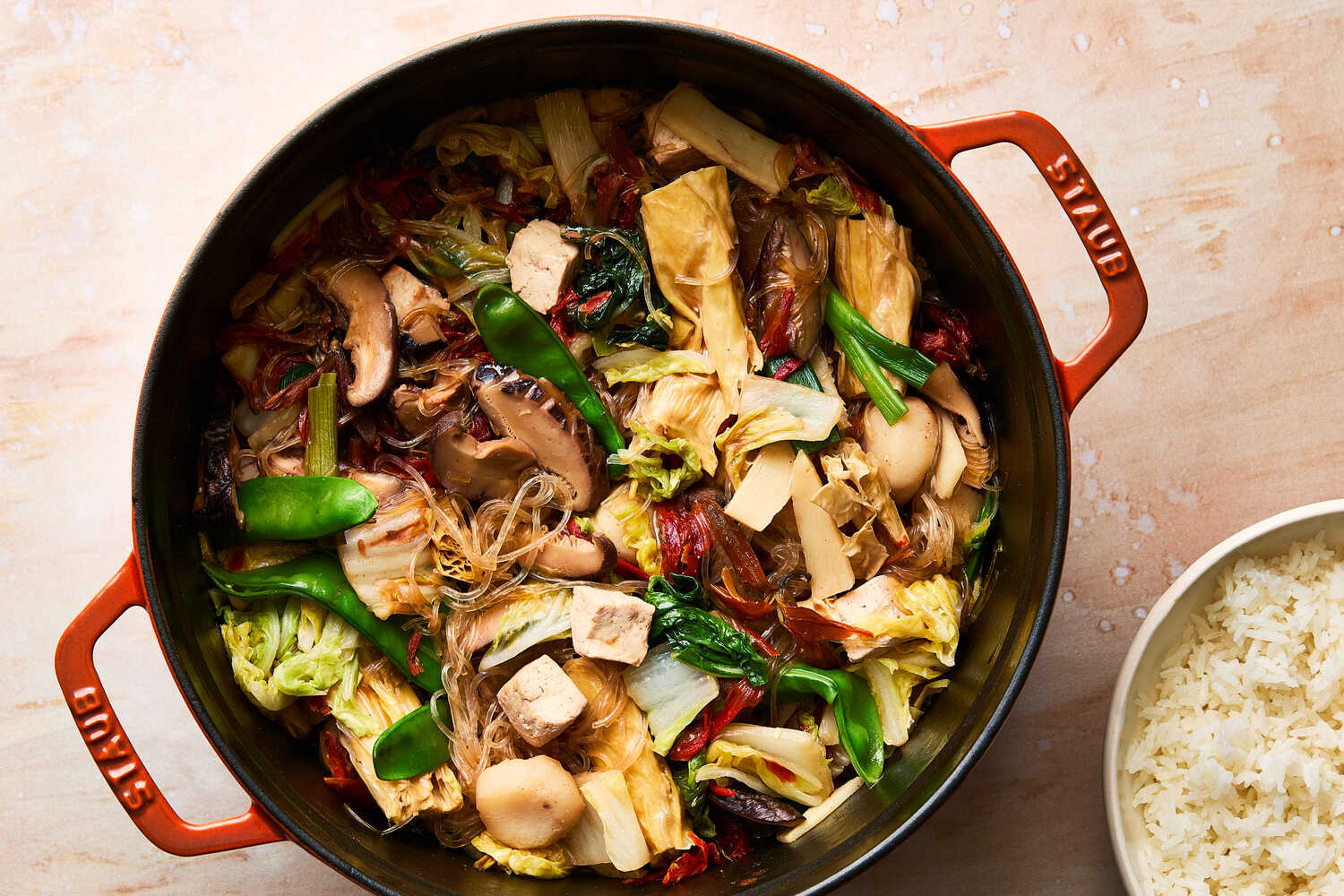
Beyond Tofu & Broccoli: Discover the Rich Tapestry of Buddha's Delight Ingredients
When you envision a vegetarian stir-fry, a familiar cast of characters often comes to mind: crisp broccoli florets, tender carrots, bell peppers, and cubes of tofu. While these are certainly delicious, the world of plant-based stir-fries extends far beyond the everyday. Enter
Buddha's Delight, known in Cantonese as
lo hon jai, a vibrant and profound dish that celebrates an extraordinary array of vegetarian ingredients, each contributing a unique texture and flavor. More than just a meal, Buddha's Delight is a culinary experience, often gracing tables during significant Chinese holidays like Lunar New Year and Tomb Sweeping Day, where it symbolizes a fresh, pure start.
Unlike typical stir-fries, Buddha's Delight is a symphony of diverse components, meticulously chosen for their individual qualities and collective harmony. It's a dish revered for its textural complexity—a playful dance between chewy, spongy, crisp, and silky elements—all bound together by a deeply savory, often mushroom-infused, sauce. If you're ready to expand your vegetarian cooking repertoire and explore ingredients that truly elevate a stir-fry, join us as we delve into the essential and extraordinary components that make Buddha's Delight a truly enlightened feast. For a deeper dive into its cultural significance, explore
Buddha's Delight: The Symbolic Vegetarian Feast for Lunar New Year.
The Heart of the Harmony: Core Buddha's Delight Ingredients
There's no single, rigid recipe for
Buddha's Delight, allowing for wonderful regional and personal variations. However, certain ingredients are customary, forming the backbone of this celebratory dish. These often include an intriguing selection of soybean and wheat gluten products, which provide the bulk and unique textures that set
lo hon jai apart.
- Bean Curd Sticks (Yuba): Made from the delicate skin that forms on hot soy milk, much like cream on cow's milk, dried yuba offers a subtly mild flavor and a wonderfully chewy, slightly firm bite. When rehydrated and cooked, they absorb flavors beautifully, adding substance and a satisfying mouthfeel to the dish. Look for them dried in packages at your local Asian supermarket.
- Tofu Puffs: These are deep-fried cubes of tofu, transformed by the frying process into chewy exteriors with light, spongy, almost hollow interiors. Their sponge-like texture makes them incredible at soaking up the rich flavors of the sauce, bursting with savory goodness in every bite. They add a delightful textural contrast and absorbency crucial to Buddha's Delight.
- Chai Pow Yu (Braised Gluten or Vegetarian Mock Abalone): A popular meat substitute in Chinese vegetarian cuisine, this ingredient is primarily made from wheat gluten. It's typically fried first, then slow-braised in a savory vegetarian sauce until incredibly tender, chewy, and flavorful. Often sold canned, chai pow yu is prized for its absorbent quality and rich, umami-laden taste, mimicking the texture and savoriness of certain meats without any animal products.
- Bean Thread Noodles (Glass Noodles): Essential for adding a delicate, translucent texture, these noodles are usually made from mung bean starch. When cooked, they become beautifully clear and silky, absorbing the stir-fry sauce and adding a wonderful slippery element to the dish. They are a common ingredient in many Asian stir-fries, clay pot dishes, and even dumpling fillings.
- Fermented Bean Curd (Fu Ru): While not always included due to its strong, pungent flavor, fermented bean curd can add an incredible depth of salty, umami richness to the sauce. Just a small amount can transform the flavor profile, making it a powerful optional addition for those who appreciate its distinct taste.
Adding Depth and Dimension: Vegetables and Umami Boosters
Beyond the foundational soybean and gluten components, a bounty of fresh vegetables and other unique ingredients contribute to the flavor, color, and symbolic meaning of
Buddha's Delight. This is where the dish truly becomes a colorful tapestry of textures and tastes.
- Chinese Cabbage (Napa Cabbage): A cornerstone vegetable in many versions, Chinese cabbage offers a delicate sweetness and crisp-tender texture. Symbolically, its Chinese name (白菜, bái cài) sounds like "hundred wealth," making it a popular inclusion for prosperity, especially during Lunar New Year.
- Mushrooms Galore:
- Dried Shiitake Mushrooms: These are a must-have for their intense umami flavor. Rehydrating them not only prepares the mushrooms but also creates a rich, savory soaking liquid that forms an excellent base for the sauce.
- Fresh Mushrooms: Varieties like oyster mushrooms, cremini, or enoki can add further textural intrigue and earthy notes.
- Carrots: Sliced or julienned, carrots provide a pop of color, natural sweetness, and a pleasant crunch, often symbolizing good fortune.
- Lotus Root: Offering a unique crisp, starchy texture and a beautiful pattern when sliced, lotus root is a delightful addition. It can symbolize purity and peace, fitting the dish's contemplative nature.
- Black Moss (Fat Choy): Especially prominent in Lunar New Year celebrations, black moss is highly prized because its name (髮菜, fà cài) sounds like "good fortune" or "wealth" in Cantonese. It has a distinctive, fine, and slightly slippery texture and is a powerful symbol of prosperity.
- Snow Peas or Snap Peas: These vibrant green pods add a fresh, sweet crispness and a beautiful visual appeal, contrasting with the softer elements.
- Other Fresh Vegetables: Don't hesitate to include other vegetables that bring color and nutrition, such as broccoli florets, string beans, water chestnuts for crunch, or bamboo shoots for a slightly tangy earthiness. The key is variety in color, texture, and taste.
Crafting the Perfect Umami Symphony: The Buddha's Delight Sauce
The sauce is the unifying force in
Buddha's Delight, weaving together all the diverse ingredients into a harmonious whole. It's typically savory, rich, and often carries a beautiful mushroom essence, making it a truly vegetarian umami powerhouse.
One convenient option, especially for busy cooks, is to use a high-quality pre-made vegetarian stir-fry sauce. Brands like Lee Kum Kee offer excellent vegetarian stir-fry sauces that mimic the texture and savory depth of oyster sauce without any animal products. Having a bottle of such a sauce on hand is a smart move for anyone who frequently prepares vegetarian Asian dishes.
However, for those who prefer to craft their own, the foundation often begins with the soaking liquid from rehydrated dried shiitake mushrooms. This liquid is packed with natural umami and forms a superb base. To this, you'll typically add:
- Soy Sauce: For depth and saltiness.
- Vegetarian Mushroom-Flavored Dark Soy Sauce: To add a beautiful dark color and richer, sweeter umami notes.
- Sugar: A touch of sweetness balances the savory elements.
- Sesame Oil: A drizzle at the end imparts a nutty fragrance.
- Cornstarch Slurry: To thicken the sauce to a luscious, glossy consistency that clings beautifully to the ingredients.
- Fresh Ginger and Garlic: Sautéed at the beginning, these aromatics provide a fragrant base for the entire dish.
When making your own sauce, remember to taste and adjust! The balance of sweet, salty, and umami is key. For more detailed instructions on preparing this iconic dish, check out
Crafting Lo Hon Jai: A Celebratory Dish of Flavors and Textures.
Tips for Sourcing and Customizing Your Lo Hon Jai
Embarking on your own
Buddha's Delight journey is an exciting culinary adventure. Here are some practical tips to help you along the way:
- Explore Your Asian Supermarket: This is your treasure trove! Most of the unique ingredients like bean curd sticks, tofu puffs, chai pow yu, bean thread noodles, and black moss can be found there. Don't be shy to ask staff for help if you can't locate something.
- Read Labels Carefully: When purchasing canned or packaged items, always double-check labels to ensure they are genuinely vegetarian or vegan, especially if you have dietary restrictions.
- Prioritize Texture Variety: The magic of lo hon jai lies in its diverse textures. Aim for a mix of chewy, spongy, crisp, and silky elements to truly capture its essence.
- Embrace Seasonal Vegetables: While some ingredients are traditional, feel free to incorporate seasonal vegetables that you enjoy. Freshness always enhances the dish.
- Customization is Key: There’s no hard and fast rule for the number of ingredients. Many renditions feature at least four or five of the core components plus a selection of fresh vegetables. You can add more for a truly elaborate spread or simplify for a weeknight meal.
- Preparation is Everything: Many of the dried ingredients require rehydration. Plan ahead by soaking bean curd sticks, dried shiitake mushrooms, and bean thread noodles in advance.
A Feast for the Senses and Soul
Buddha's Delight is far more than a simple stir-fry; it's a testament to the richness and diversity of vegetarian cuisine, a dish imbued with cultural significance and a profound respect for fresh, flavorful ingredients. From the chewy bean curd sticks to the crisp snap peas, the earthy shiitake to the symbolic black moss, each component plays a vital role in creating a balanced, satisfying, and deeply memorable meal. Whether prepared for a special occasion or as a healthful weeknight dinner, exploring the captivating world of Buddha's Delight ingredients promises a culinary journey that delights the senses and nourishes the soul. So, venture beyond the familiar, embrace the extraordinary, and discover the true delight of
lo hon jai.